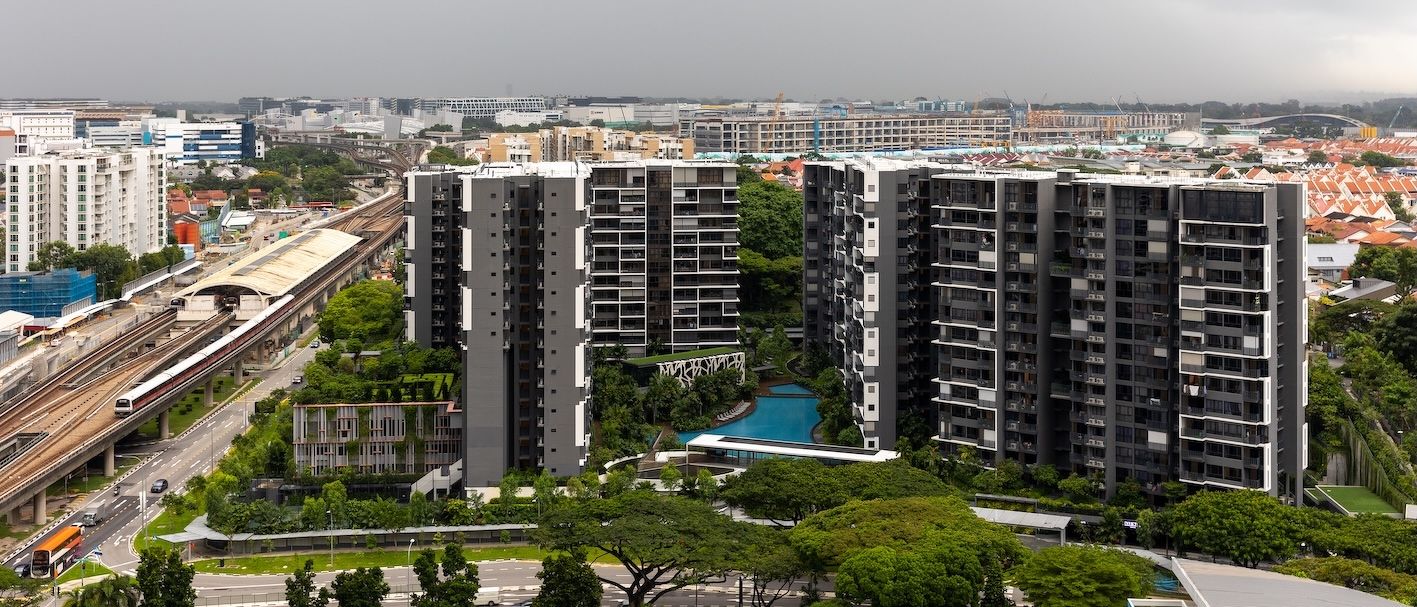
Power Down to Power Up: Unlocking the Hidden Savings of Energy Efficiency
Power Down to Power Up: Unlocking the Hidden Savings of Energy Efficiency

Introduction & Background
In today’s fast-paced world, energy consumption remains one of the most pressing challenges facing households and businesses alike. Rising utility bills, environmental concerns, and the growing demand for sustainable practices have made energy efficiency a top priority. The phrase “power down to power up” captures a simple yet transformative idea: by reducing unnecessary energy use, individuals and organizations can unlock significant savings, both financially and environmentally. This approach not only lowers costs but also contributes to a cleaner, more sustainable future. As governments and corporations worldwide implement stricter energy regulations, understanding and adopting energy efficiency measures has never been more critical.
Concept & Overview
Energy efficiency refers to the practice of using less energy to perform the same task while maintaining the same level of comfort or productivity. It is not about sacrificing convenience but rather about optimizing energy use to eliminate waste. The core principle revolves around improving the way energy is consumed, whether through better insulation, smarter appliances, or behavioral changes. At its heart, energy efficiency is a win-win strategy. It reduces the financial burden on consumers while decreasing greenhouse gas emissions and reliance on finite energy resources. Governments and organizations often promote it through incentives, rebates, and educational campaigns, recognizing its role in building a resilient and sustainable energy system.
Key Features & Highlights
- Cost Savings: Energy-efficient upgrades and habits can significantly lower monthly utility bills. Over time, these savings accumulate, making the initial investment worthwhile.
- Environmental Impact: Reduced energy consumption means fewer fossil fuels are burned, leading to lower carbon emissions and a smaller ecological footprint.
- Increased Comfort: Proper insulation, smart thermostats, and efficient lighting create more comfortable living and working environments by maintaining consistent temperatures and reducing drafts.
- Long-Term Durability: Energy-efficient appliances and systems often last longer than their conventional counterparts because they operate under less strain, reducing wear and tear.
- Government Incentives: Many regions offer tax credits, rebates, or grants for energy-efficient upgrades, making it easier and more affordable for people to adopt these solutions.
Frequently Asked Questions / Pros & Cons
What exactly qualifies as energy efficiency?
Energy efficiency involves using technology or practices that require less energy to achieve the same outcome. For example, LED bulbs use up to 80% less energy than incandescent bulbs to produce the same amount of light. Similarly, smart thermostats adjust heating and cooling based on occupancy, ensuring energy is not wasted when no one is home.
Is energy efficiency expensive to implement?
While some upgrades, like solar panels or high-efficiency HVAC systems, require an upfront investment, many energy-efficient solutions are surprisingly affordable. Simple changes such as sealing windows, using energy-efficient light bulbs, or unplugging unused devices cost little to nothing but yield substantial savings over time. Additionally, government incentives and rebates can offset the cost of larger projects.
Can energy efficiency really make a difference in reducing my utility bills?
Absolutely. According to the U.S. Department of Energy, the average household can save 25% or more on energy bills by implementing efficiency measures. These savings come from reduced heating and cooling costs, lower water heating expenses, and decreased electricity consumption from appliances and electronics.
What are the main drawbacks of energy efficiency?
One common concern is the initial cost of high-efficiency appliances or renovations. However, this barrier is often outweighed by long-term savings. Another challenge is the need for behavioral changes, which some people may find inconvenient. For instance, remembering to adjust thermostats or turn off lights requires a conscious effort. Fortunately, technological advancements like smart home systems can automate many of these tasks, minimizing the need for manual intervention.
Practical Guidance & Solutions
Adopting energy efficiency doesn’t have to be overwhelming. Start with small, manageable steps that can lead to significant improvements. First, conduct a home energy audit to identify areas of waste. Many utility companies offer free or low-cost audits that provide personalized recommendations. Next, focus on low-cost upgrades such as installing weather stripping around doors and windows, switching to LED lighting, and using power strips to reduce “phantom” energy drain from idle electronics.
For those ready to invest in larger changes, consider upgrading to an Energy Star-certified appliance or installing a programmable thermostat. These investments often pay for themselves within a few years through reduced energy bills. Additionally, explore renewable energy options like solar panels, which can further decrease reliance on the grid and provide long-term savings.
Behavioral changes also play a crucial role. Simple habits like running full loads in washing machines and dishwashers, air-drying clothes, and using ceiling fans to circulate air can reduce energy consumption without sacrificing comfort. Educating family members or employees about the importance of energy conservation fosters a collective effort toward efficiency.
Finally, stay informed about local incentives and programs. Many governments and utility providers offer rebates for energy-efficient upgrades, making it easier to implement changes without breaking the bank. By combining technology, smart habits, and available resources, anyone can make a meaningful impact on their energy use and savings.
Conclusion
Energy efficiency is more than just a trend. It is a practical and powerful strategy for reducing costs, enhancing comfort, and protecting the planet. By powering down unnecessary energy use, individuals and businesses can power up their savings and contribute to a more sustainable future. The journey toward efficiency begins with awareness and small steps, but the rewards are substantial and long-lasting. Whether through simple changes or larger investments, everyone has the power to make a difference. Start today and discover how “powering down” can lead to a brighter, more efficient tomorrow.