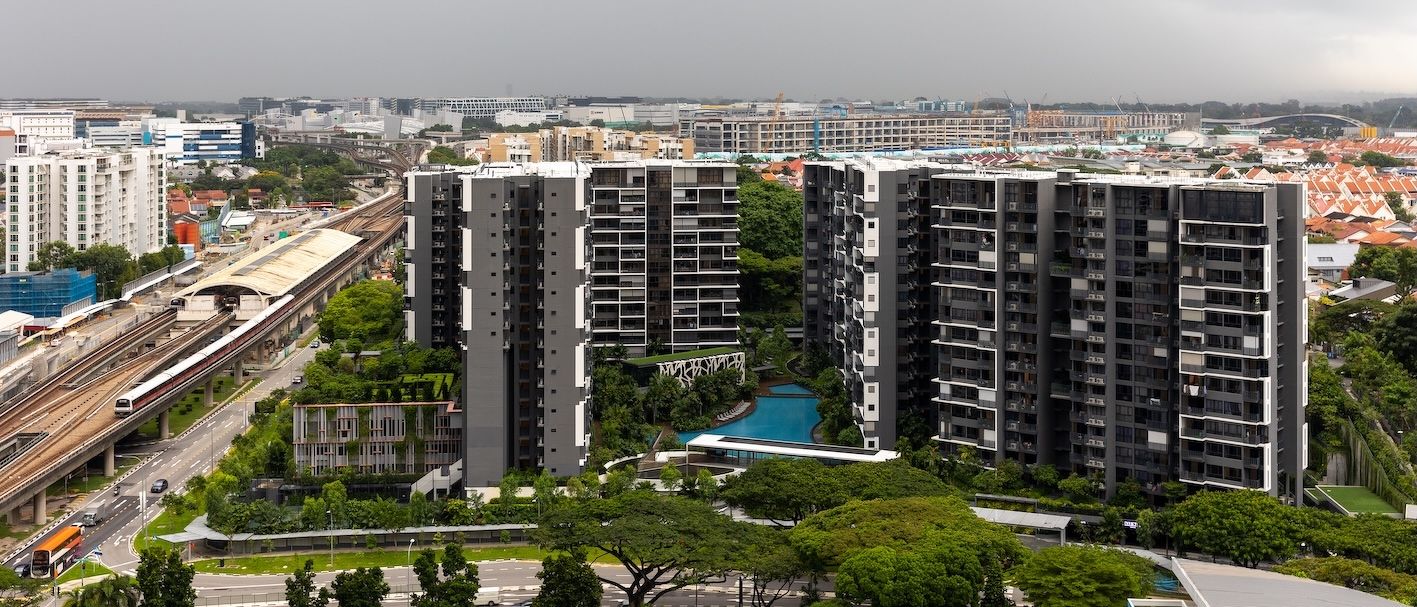
Green Homes, Brighter Tomorrows: Unlocking Energy Efficiency Secrets

Introduction & Background
In a world where climate change and energy crises loom large, the dream of a sustainable future feels more urgent than ever. Homes account for nearly a third of global carbon emissions, making them a prime target for transformation. Green homes emerge not just as an eco-friendly trend but as a necessity for a healthier planet and a cost-effective lifestyle. By integrating energy efficiency into residential design, we unlock the potential to reduce utility bills, enhance comfort, and protect natural resources. This movement goes beyond solar panels and rain barrels. It represents a fundamental shift in how we build, live, and think about our living spaces. From urban apartments to sprawling suburban houses, the principles of green living are reshaping our relationship with energy forever.
Concept & Overview
A green home is more than a building; it is a living system designed to minimize environmental impact while maximizing energy efficiency and occupant well-being. At its core, a green home relies on sustainable materials, intelligent design, and renewable energy sources to operate with minimal waste and maximum performance. Unlike traditional homes that depend heavily on fossil fuels and grid-based power, green homes prioritize self-sufficiency, smart resource use, and long-term sustainability. This approach is rooted in several guiding principles: reducing energy consumption through passive design, using non-toxic and locally sourced materials, optimizing water use, and integrating renewable energy technologies. The goal is not only to live in harmony with the environment but to actively contribute to its restoration. As technology advances, so do the possibilities, making green homes accessible to a wider range of people than ever before.
Key Features & Highlights
- Energy-efficient appliances: Appliances with ENERGY STAR certification consume significantly less electricity without sacrificing performance. Refrigerators, washing machines, and HVAC systems designed for efficiency reduce household energy use by up to 30 percent, lowering both costs and carbon footprints.
- Solar power integration: Solar panels convert sunlight into clean electricity, allowing homeowners to generate their own power. With advancements in battery storage, excess energy can be stored for use during nighttime or cloudy days, enhancing energy independence.
- Superior insulation: High-quality insulation in walls, roofs, and floors prevents heat loss in winter and heat gain in summer. This reduces the need for heating and cooling systems, which are typically major energy consumers.
- Smart home technology: Thermostats, lighting, and security systems connected to the internet allow homeowners to monitor and control energy use remotely. These systems learn household patterns and adjust settings automatically for optimal efficiency.
- Water conservation systems: Low-flow faucets, dual-flush toilets, and rainwater harvesting systems minimize water waste. Greywater recycling systems reuse water from sinks and showers for irrigation, further cutting down on resource consumption.
- Natural lighting and ventilation: Large windows, skylights, and strategically placed vents maximize natural daylight and airflow. This reduces dependence on artificial lighting and air conditioning, creating a healthier and more comfortable indoor environment.
- Sustainable building materials: Using recycled, reclaimed, or rapidly renewable materials like bamboo and cork reduces environmental harm. These materials often improve indoor air quality by avoiding harmful chemicals found in conventional building products.
Frequently Asked Questions / Pros & Cons
What exactly defines a green home?
A green home is one that is designed, built, and operated with sustainability in mind. It meets specific standards such as those set by LEED (Leadership in Energy and Environmental Design) or ENERGY STAR. These standards evaluate energy use, water efficiency, indoor environmental quality, and material selection. A green home minimizes its carbon footprint while providing a healthy, efficient living space for its occupants.
How much can I save by living in a green home?
Homeowners typically see energy savings of 20 to 30 percent compared to traditional homes. Over time, these savings can offset the initial investment in green features. Water conservation systems can reduce water bills by up to 50 percent. Additionally, green homes often have higher resale values due to their appeal to environmentally conscious buyers.
Is it expensive to build or retrofit a home to be green?
While the upfront costs can be higher, ranging from 5 to 15 percent more than conventional construction, the long-term savings in energy and water bills often make up the difference within a few years. Government incentives, tax credits, and rebates can significantly lower initial expenses. Retrofitting an existing home is also becoming more affordable as green technologies become widely available.
Can green homes work in all climates?
Yes. The principles of green design are adaptable to various climates. In hot climates, reflective roofing and shading reduce cooling needs. In cold regions, super-insulated walls and triple-glazed windows retain heat. Passive solar design can be tailored to maximize sunlight in winter while minimizing it in summer, regardless of location.
Do green homes sacrifice comfort for sustainability?
Not at all. In fact, many green homes offer superior comfort. Advanced insulation and high-performance windows provide consistent temperatures and reduce drafts. Improved indoor air quality from non-toxic materials reduces allergens and improves respiratory health. Smart systems allow personalized control over temperature, lighting, and air quality, enhancing daily living.
What are the main drawbacks of green homes?
The primary challenges include the initial cost, the need for specialized knowledge in design and construction, and sometimes limited availability of green materials or contractors. However, as demand grows, costs are decreasing and access is improving. Another concern is the perception of complexity, but with the right guidance, transitioning to a green home can be straightforward and rewarding.
Practical Guidance & Solutions
Transitioning to a green home begins with a clear assessment of your current energy use and environmental impact. Start by conducting an energy audit to identify where your home is losing efficiency. Many utility companies offer free audits or rebates for upgrades. Once you have a baseline, prioritize upgrades based on your budget and goals.
Begin with simple, cost-effective changes such as switching to LED lighting, installing low-flow showerheads, and sealing air leaks around windows and doors. These improvements can yield immediate savings and quick payback periods. Next, consider investing in smart thermostats and energy-efficient appliances. These technologies require minimal maintenance and can be easily integrated into existing systems.
If you’re building a new home or undertaking a major renovation, work with architects and builders experienced in green design. Look for professionals certified in sustainable practices, such as LEED Accredited Professionals. Incorporate passive solar design principles by orienting the home to maximize natural light and heat. Use high-performance insulation and windows designed for your climate zone.
For those unable to invest in major renovations, community solar programs and green energy providers offer alternatives. These programs allow homeowners to purchase renewable energy credits, effectively reducing their carbon footprint without installing solar panels. Additionally, explore local government and utility rebates for energy-efficient upgrades. Many regions offer financial incentives for installing solar panels, heat pumps, or high-efficiency HVAC systems.
Finally, adopt sustainable habits alongside physical upgrades. Unplug devices when not in use, use cold water for laundry, and air-dry clothes when possible. Small changes amplify the benefits of green technologies and contribute to a culture of conservation within your household. By combining smart technology, sustainable materials, and mindful living, you can create a home that is not only efficient but also a model for a brighter, greener future.
Conclusion
Green homes represent more than a passing trend. They are a vital step toward a sustainable, resilient future where energy efficiency and environmental stewardship go hand in hand. By embracing the principles of green design, homeowners can enjoy lower utility bills, improved comfort, and the satisfaction of living responsibly. Whether you’re building new or upgrading an existing home, the journey to energy efficiency is filled with opportunities to make a positive impact. From solar power to smart systems, every green feature adds up to create a home that works in harmony with nature. As technology evolves and awareness grows, green homes will become the standard, not the exception. The future is bright, and it starts at home. Together, we can build greener, healthier, and more efficient living spaces for generations to come.