
How to Achieve Energy Efficiency Without Breaking the Bank
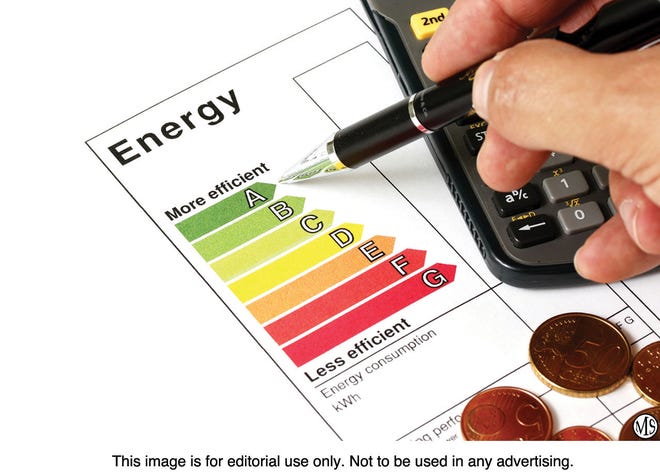
Achieving energy efficiency doesn’t have to be a costly endeavor. In fact, there are numerous ways to reduce energy consumption and make your home more sustainable without straining your budget. By adopting a few smart practices and considering affordable upgrades, you can enjoy green home savings and see a noticeable reduction in your utility bills.
1. Start with the Basics: Seal the Gaps
One of the simplest and most affordable ways to achieve smart energy efficiency is by addressing the air leaks around your home. Windows, doors, and even electrical outlets are common culprits when it comes to losing heat or cool air. Investing in weather stripping or caulking these gaps can significantly reduce the amount of energy your HVAC system needs to maintain a comfortable temperature. This is a low-cost power tip that yields quick and impressive results, especially when combined with a smart thermostat.
2. Upgrade to LED Lighting
Lighting is one of the easiest areas to upgrade for energy savings. Replacing traditional incandescent bulbs with LED bulbs is an affordable way to reduce electricity use. LEDs use a fraction of the energy and last much longer than standard bulbs, making them a perfect choice for those who want to lower their energy consumption without spending a fortune. Even though LED bulbs might cost a little more upfront, the long-term savings make this a fantastic budget upgrade option.
3. Opt for Smart Thermostats
If you haven’t yet upgraded to a smart thermostat, now is the perfect time. These innovative devices allow you to program your heating and cooling system based on your daily routine, preventing unnecessary energy use. A smart thermostat adjusts the temperature automatically, ensuring your home is at a comfortable level only when you need it. It’s a low-cost power tip that provides a significant return on investment by reducing energy waste and lowering utility bills over time.
4. Maximize Your Insulation
Improper insulation is another key factor in energy inefficiency. Whether it’s your attic, walls, or floors, ensuring your home is properly insulated will help maintain a consistent temperature indoors. Insulating your attic, for example, can prevent heat from escaping during the winter and keep the cool air inside during the summer. Fortunately, improving insulation doesn’t have to come with a hefty price tag. Adding inexpensive foam or fiberglass insulation can make a noticeable difference. This simple upgrade can also contribute to green home savings by reducing the amount of energy your heating and cooling system consumes.
5. Switch to Energy-Efficient Appliances
If you’re in the market for new appliances, choosing energy-efficient models can have a substantial impact on your energy usage. Look for ENERGY STAR-rated appliances, which are designed to consume less power and reduce your environmental footprint. The initial investment in these appliances may be slightly higher, but the energy savings over time more than make up for it. Whether it’s a new refrigerator, washer, or dishwasher, budget upgrade options are available that are both energy-efficient and affordable.
6. Embrace Natural Light
Using natural light to illuminate your home is not only an eco-friendly approach but also a cost-effective one. Open your curtains and blinds during the day to let in as much natural light as possible. This will reduce your reliance on artificial lighting and help save energy. This low-cost power tip has the added benefit of brightening your home and boosting your mood. Additionally, placing mirrors strategically can help amplify the amount of sunlight in a room, reducing the need for electric lights.
7. Maintain Your Heating and Cooling Systems
Regular maintenance of your HVAC system is a crucial but often overlooked step in improving energy efficiency. Changing filters regularly and scheduling routine check-ups for your heating and cooling systems ensures they are running at peak efficiency. Dirty filters and clogged ducts can force your system to work harder, leading to higher energy consumption. This is an easy and low-cost power tip that extends the life of your HVAC system and reduces your overall energy expenditure.
8. Unplug and Power Down
Even when your electronics aren’t in use, they can still draw power. This phenomenon, known as phantom energy drain, occurs when devices are plugged in but not actively being used. A simple way to achieve smart energy efficiency is by unplugging devices when they’re not in use. Alternatively, use power strips to turn off multiple devices at once. This habit will reduce your overall energy consumption and help cut down on unnecessary electricity costs.
9. Adjust Your Water Heater Settings
Water heaters are another significant source of energy use in most homes. Lowering the temperature setting on your water heater to 120°F can significantly reduce energy consumption without sacrificing comfort. Additionally, consider insulating your water heater and pipes to minimize heat loss. These budget upgrade options are quick fixes that can yield noticeable savings over time.
10. Consider Solar Power
While installing solar panels might seem like an expensive investment, there are several affordable options to explore. You don’t have to fully convert your home to solar energy; even adding solar-powered outdoor lights or small solar panels for specific appliances can reduce your energy costs. Solar energy is a green home savings strategy that’s becoming increasingly accessible and cost-effective.
11. Practice Energy-Saving Habits
Sometimes, the most effective way to save energy is by making small adjustments to your daily habits. Turn off lights when leaving a room, limit the use of space heaters, and avoid running the dishwasher or laundry machines during peak energy hours. These changes, while simple, are powerful in reducing your home’s overall energy consumption. They’re the cornerstone of any low-cost power tip for households looking to achieve energy efficiency without breaking the bank.
Achieving energy efficiency doesn’t have to be a daunting or expensive task. With these low-cost power tips and budget upgrade options, anyone can make their home more energy-efficient and enjoy the benefits of lower utility bills. Whether you’re sealing air leaks, switching to energy-efficient appliances, or adjusting your daily habits, these small changes add up over time. Embrace these simple strategies today and start experiencing the green home savings that come with making your home more sustainable.