
Why a Cooling Unit is the Cornerstone of a Serious Wine Collection
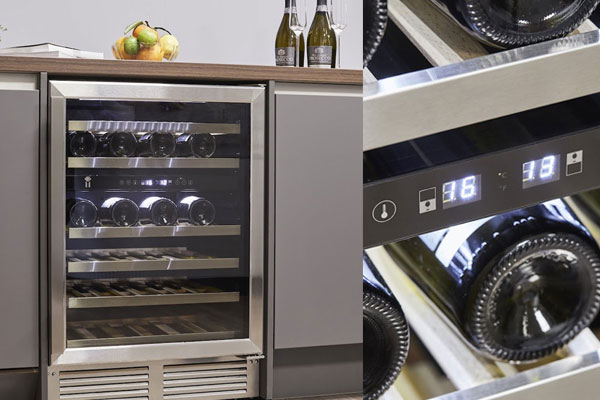
For the passionate oenophile, amassing a collection of fine wines is more than just acquiring bottles; it’s a journey of discovery, an investment in future enjoyment, and a testament to discerning taste. Every bottle has the possibility for deep sensory experiences, changing complexity, and treasured memories.
However, this potential is incredibly fragile, susceptible to the vagaries of temperature, humidity, light, and vibration. This is precisely why a dedicated cooling unit transcends mere convenience and becomes the absolute cornerstone of any serious wine cellar cooling units collection. Without it, the very essence of the wines – their delicate aromas, nuanced flavors, and aging potential – is put at grave risk.
The Perils of Ambient Temperature
Storing wine at room temperature, even in a relatively stable environment, is a gamble with potentially devastating consequences. Fluctuations in temperature, especially the gradual warming and cooling cycles that occur throughout the day and across seasons, cause the wine to expand and contract within the bottle. Firstly, it can push the cork, allowing oxygen to seep into the bottle, prematurely oxidizing the wine and flattening its vibrant fruit notes into dull, sherry-like flavors. Extreme temperature fluctuations can also impair the cork’s seal, which causes leaks and more degrades the wine.
Beyond these immediate risks, consistently storing wine at temperatures above the ideal range (typically between 50-59°F or 10-15°C) accelerates the aging process. While aging is crucial for developing complexity in many wines, accelerated aging leads to a loss of freshness, vibrancy, and primary fruit characteristics before the wine has had the opportunity to develop its tertiary notes. The result is a wine that is prematurely “cooked,” lacking the balance and finesse that proper aging would have bestowed. A dedicated cooling unit provides a consistently cool environment, slowing down the aging process in a controlled manner, allowing the wine to mature gracefully and reach its full potential.
Humidity: A Delicate Balancing Act
Temperature is only half the battle; humidity plays an equally critical role in preserving a wine collection. Dry corks lose their elasticity and sealing ability, rendering them ineffective barriers against the outside environment.
Conversely, excessively high humidity can also be problematic. While it won’t directly harm the wine inside the bottle, it can foster the growth of mold and mildew on the labels, corks, and even the bottles themselves. This not only detracts from the aesthetic appeal of the collection but can also damage the labels, making identification difficult and potentially impacting the wine’s resale value. A quality wine cooling unit is designed to maintain a consistent and optimal humidity level, protecting both the wine and its presentation. Many units incorporate features like humidity control systems or utilize natural humidity retention through their design and materials.
Shielding from the Silent Threats: Light and Vibration
While temperature and humidity are the most commonly discussed factors in wine storage, light and vibration also pose significant threats to a serious wine collection. Ultraviolet (UV) rays from sunlight and even some artificial light sources can trigger chemical reactions within the wine, leading to off-flavors and a degradation of its aromatic compounds. However, prolonged exposure to any light source can still be detrimental. A dedicated cooling unit, typically designed with solid or UV-protected glass doors, provides a dark and stable environment, shielding the wines from harmful light exposure.
Beyond Preservation: Organization and Presentation
While the primary function of a wine cooling unit is preservation, it also offers significant advantages in terms of organization and presentation. A dedicated unit provides a designated space for the collection, allowing for systematic organization based on varietal, region, vintage, or drinking window.
Conclusion
It provides the essential environmental controls necessary to protect the wines from the detrimental effects of temperature fluctuations, improper humidity, harmful light, and disruptive vibrations. For the discerning collector, it does not just about own fine wines; it’s about preserving their integrity and ensuring their future enjoyment, making a dedicated cooling unit an indispensable cornerstone of their passion.