
How to Keep Essential Home Systems Running During a Power Outage
Power outages can strike with little warning. A severe storm, equipment failure on the grid, or even a car accident involving a utility pole can leave your home without electricity for hours or days. When the lights go out, so do the systems that keep your family safe, comfortable, and connected. Refrigerators stop cooling, sump pumps sit idle, medical devices lose power, and heating or cooling systems shut down. Knowing how to protect the essentials makes a real difference.
One of the most reliable long-term solutions is installing whole house generators for backup power. These systems detect an outage and automatically start, restoring electricity to critical circuits or the entire home within seconds. Until you have a permanent setup in place, though, a combination of planning, portable equipment, and smart habits can help you maintain key functions.
Identify What Matters Most in Your Home
Start by listing the systems and appliances you cannot afford to lose. Priorities often include:
- Refrigeration and freezers to protect food
- Medical equipment such as CPAP machines, oxygen concentrators, or mobility devices
- Sump pumps in basements prone to flooding
- Heating in winter or air conditioning in extreme heat
- Communication devices and lighting for safety
- Well pumps if you rely on private water
Once you know your non-negotiables, you can focus resources on keeping those running. Avoid trying to power everything at once. Most portable generators have limited capacity, and overloading them creates new problems.
Build a Layered Backup Plan
A single solution rarely covers every scenario. Combine several approaches for better resilience.
Portable generators work well for short outages. Choose a model with enough wattage for your priority loads, and make sure it has a transfer switch or interlock kit installed by a qualified electrician. Never run a generator indoors or in an attached garage. Carbon monoxide poisoning is a serious risk. Keep extension cords heavy-duty and outdoor-rated, and place the unit outdoors, away from windows and doors.
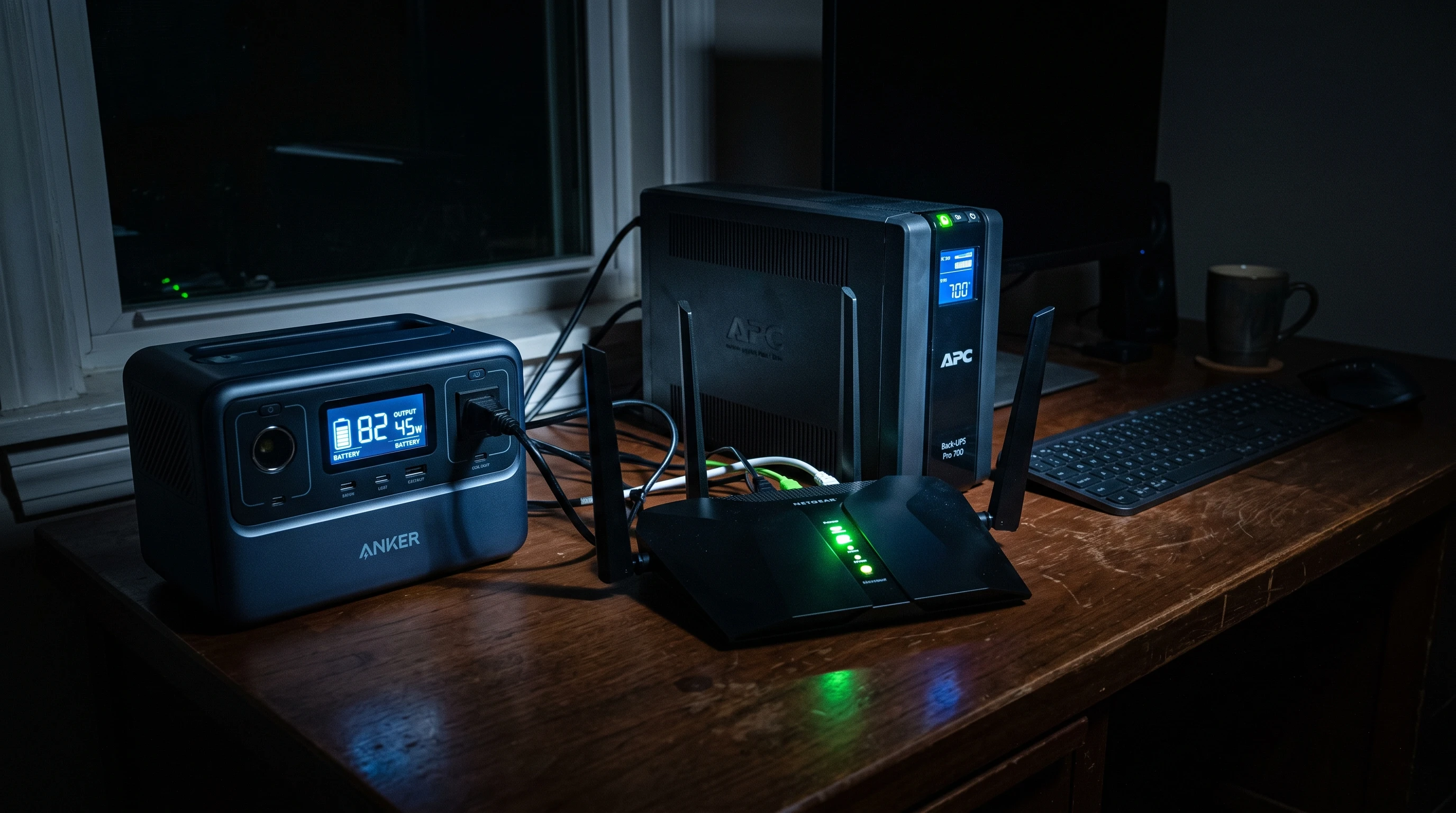
Battery-powered options offer quieter, emission-free support for smaller devices. A good power station can keep phones, laptops, a small refrigerator, or medical equipment running for several hours. Solar panels that charge these stations add another layer of independence, especially useful during extended outages when gasoline is hard to find.
Uninterruptible power supplies (UPS) protect sensitive electronics like computers, routers, and certain medical devices during the brief moments before a larger generator kicks in. They also prevent data loss and give you time to shut systems down safely.
For homes in areas with frequent or lengthy outages, a permanently installed standby generator connected to a natural gas or propane line provides the highest level of convenience and coverage. These units monitor the utility supply and switch over automatically, so you do not need to go outside in bad weather to start anything.
Prepare Your Home Before the Next Outage
Preparation reduces stress when the power fails. Keep a written checklist and review it seasonally.
Store non-perishable food, water, and manual can openers. Have battery-powered or hand-crank radios, flashlights, and extra batteries ready. Test smoke and carbon monoxide detectors regularly, and replace batteries as needed. If you have a well or septic system, understand how long they can operate without power and what temporary measures are available.
Know how to open your garage door manually. Learn the location of your main electrical panel and any sub-panels. If you plan to use a portable generator, have a transfer switch professionally installed rather than relying on dangerous backfeeding methods.
Consider your heating and cooling needs carefully. In cold climates, a backup heat source such as a wood stove, propane heater designed for indoor use, or a generator-powered furnace can prevent frozen pipes. In hot weather, prioritize cooling for vulnerable household members and keep windows covered during the day to reduce heat gain.
Practice Safe Operation During an Outage
Safety comes first. Never use charcoal grills, camping stoves, or gasoline generators indoors. Open windows and doors only when necessary for ventilation, and monitor carbon monoxide levels with a working detector.
Conserve power by turning off non-essential loads. Close refrigerator and freezer doors quickly. Unplug sensitive electronics until power stabilizes. If you have a generator, start with the highest-priority circuits and add others only if capacity allows.
Stay informed. Local utility companies and weather services often provide estimated restoration times. A battery-powered radio or charged phone can keep you updated without draining larger systems.
Plan for Longer Outages and Recovery
Extended outages test even well-prepared homes. Rotate food in freezers and use cooler packs when possible. Check on neighbors, especially older adults or those with medical needs. Keep some cash on hand, since electronic payment systems may be unavailable.
After power returns, inspect appliances and systems before restoring full use. Food that has been above 40°F for more than two hours should generally be discarded. Reset clocks, reprogram thermostats, and test sump pumps and security systems.
If outages have become more frequent in your area, evaluate whether a permanent standby generator makes sense. Professional installation ensures the unit is sized correctly, connected safely, and maintained according to manufacturer guidelines. Regular exercise cycles and fuel system checks keep the equipment ready when you need it most.
Putting It All Together
Keeping essential home systems running during a power outage is less about reacting in the moment and more about thoughtful preparation. Identify your priorities, layer portable and permanent solutions, practice safe habits, and review your plan periodically. Whether you rely on battery stations for short interruptions or invest in a full standby system for greater peace of mind, the goal remains the same: protect the people and systems that matter most when the grid goes down.
With clear priorities and the right equipment in place, an outage becomes an inconvenience rather than a crisis. Start with a simple inventory of your critical loads this week, and build from there. Your future self will thank you the next time the lights flicker and stay off.